Travel: Guimaraes, where the Medieval meets the Modern
Where Medieval meets modern
Pic: Sheila K.
As the Indian traveller looks to holiday in a relatively safe Europe this summer, Guimaraes in Portugal would be a good pick. The pretty little Medieval town, a landlocked area some 65 kms inland of Porto, has been named the Green Capital of Europe for 2026, for its commitment to sustainability, urban greening and climate neutrality targets. This is also the year Guimares celebrates 25 years of being a UNESCO Heritage site. So, basically it`s celebrations time, and a year-long programme featuring eco-activities, nature trails, green initiatives, all are on the anvil.
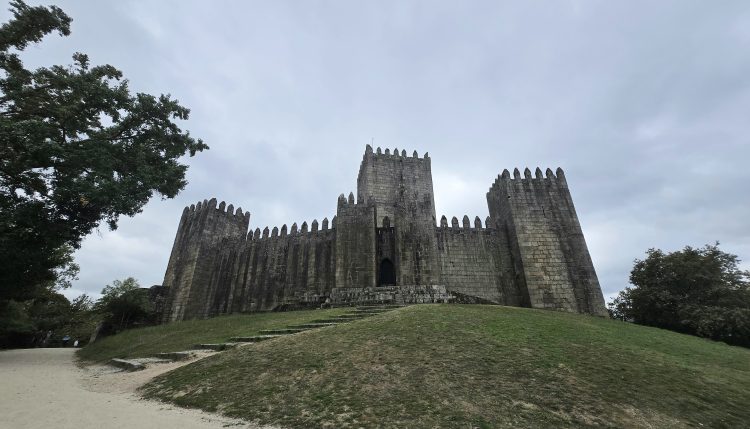
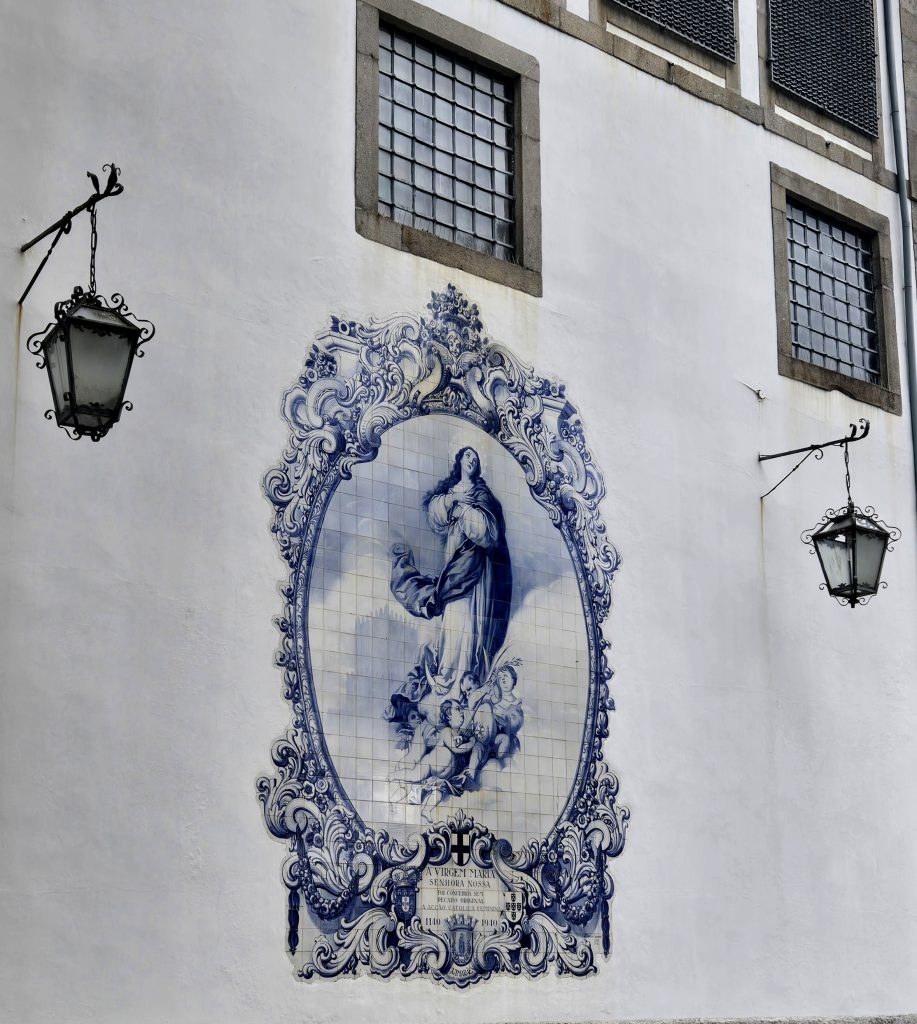
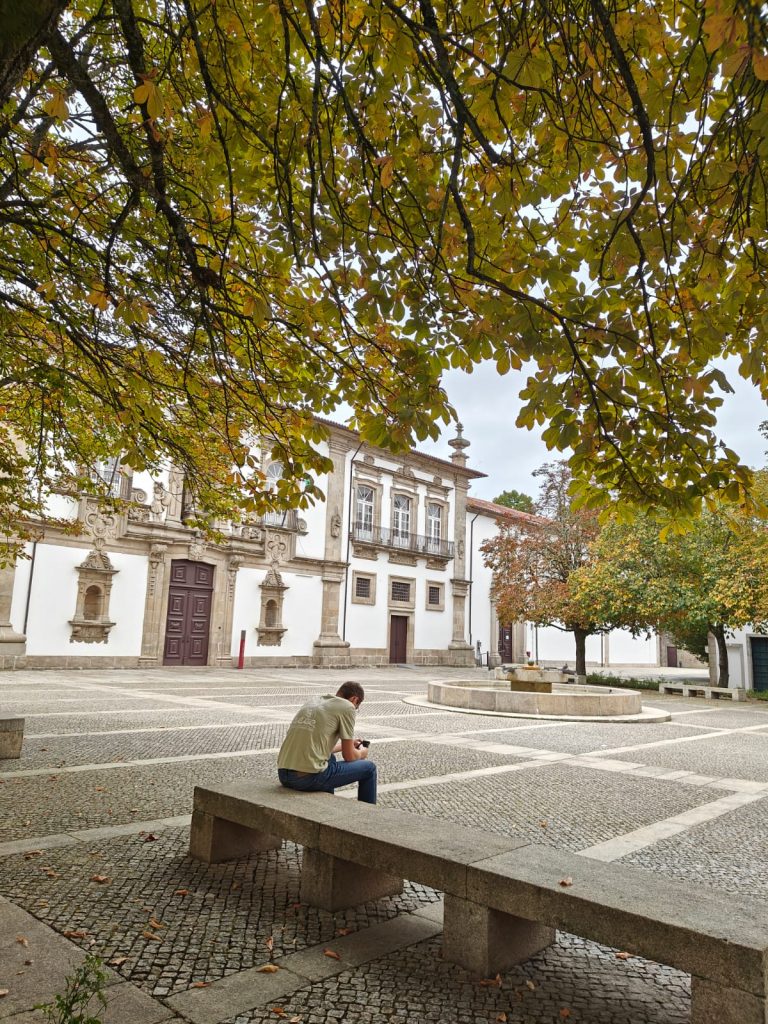
Guimares is simply packed with history. It was the 12th century birthplace of Portugal as well as its capital back in time. There is a huge sign with the words `Aqui Nasceu Portugal,` meaning `Portugal was born here.` The town bears all the distinctive marks of a Medieval settlement even now; the streets in the town square are cobbled, some of the windows are mullioned, the 10th century Guimaraes Castle, even though mostly in ruins now, looks both imposing and forbidding. As the tourist walks down the narrow winding lanes, peering into its old-fashioned cafes and newfangled pubs and restaurants (including a Michelin starred eatery, A Cozinha by Chef António Loureiro) sitting cheek by jowl, it doesn’t take long to realise that Guimares exudes charm by the bucketful.
Pic: Sujatha Karun
Settled in in the late Chalcolithic period, and also the site of Roman occupation, (a stone dedicated to the Roman emperor Trajan suggests that this was a spa town in Roman times) Guimares is one of the Seven Wonders of Portugal and the birthplace of Portugal’s first king, Afonso Henriques.
A stone`s throw away from Guimaraes Castle stands the Palace of the Dukes of Braganza, a 15th-century stately pile with a museum featuring tapestries, furniture, and weapons. This being Portugal, you cannot have a town, historical or not, without churches, and the prominent churches of the town are the Sao Francesco church the Santos Passos church, the church of São Miguel do Castelo and The Church of Our Lady of Oliveira.
Pic: Sheila K.
The town has several rivers flowing gently through it, the Selho River, the Vizela River, and the Costa-Couros. It was famous for its leather tanneries in the 19th and 20th centuries but now there are just empty cemented slots where the tanneries used to stand.
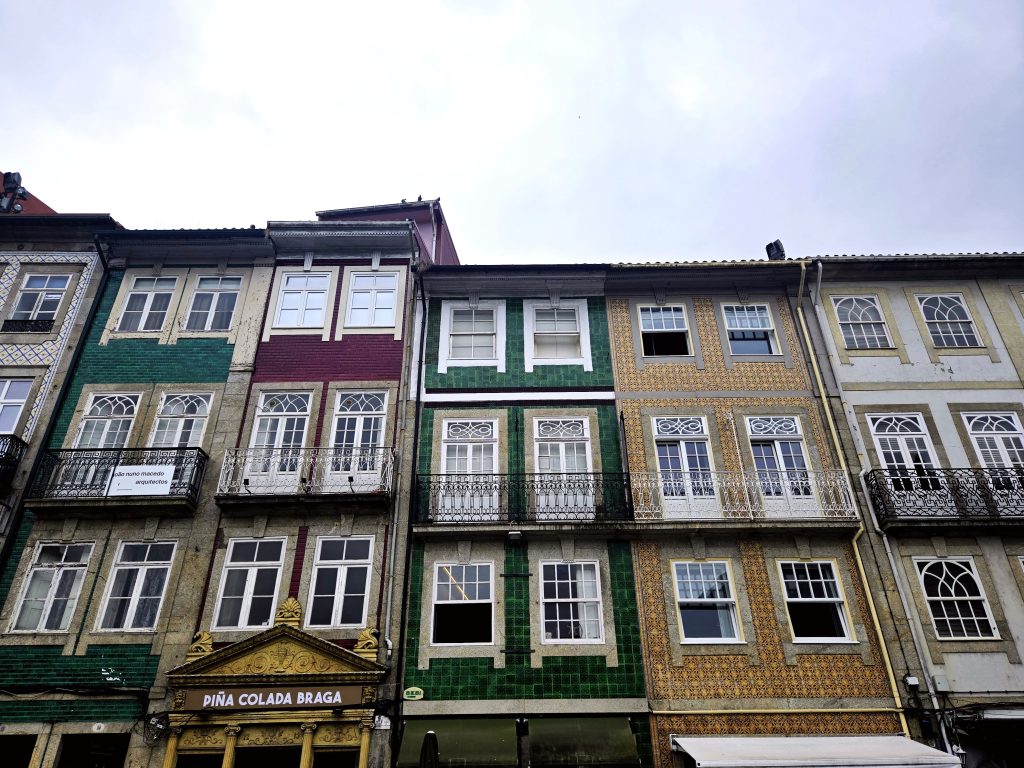
Guimaraes is also a university town, hosting the University of Minho and so, dotted with young people walking briskly along, standing at street corners for a quick pow-wow, quaffing Tortas de Guimaraes, a sweet, squash and almond-filled pastry, or downing a glass of vinho verde or good old craft beer in one of the town`s two main squares. Both the praca da cidades are delightful, with chairs and tables under sun umbrellas, the smell of freshly brewed coffee wafting in the air, and if the turista is lucky, a day market selling lace, glassware and bricabrac. Oh, and for shoppers, the town is famous for its textiles, particularly a traditional type of embroidery known as Bordado de Guimaraes.
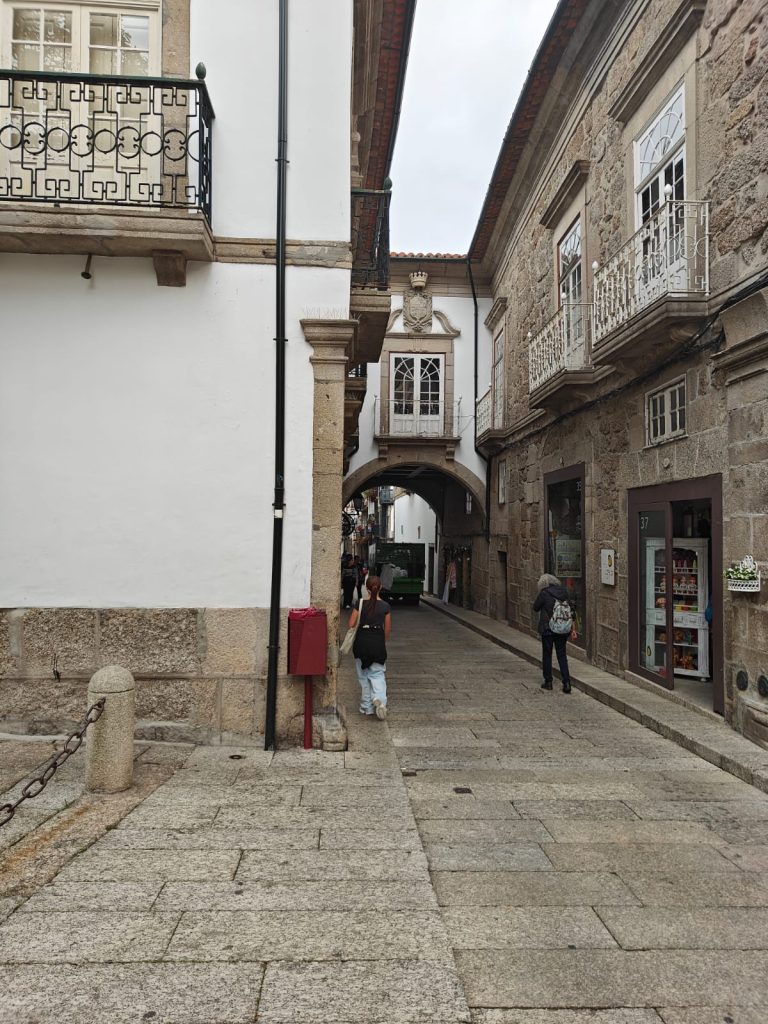
Pic: Sujatha Karun
A mix of olde and new, listing more towards the former, Guimaraes is a sweet place for the day tripper to take in some of Portugal`s history.
FUN FACTS
- Guimaraes is the birthplace of Portugal.
- The university town sits 65 kms inland of Porto.
- It has been named the Green Capital of Europe for 2026.
- It is also celebrating 25 years of existence this year.
https://www.deccanherald.com/lifestyle/travel/where-medieval-meets-modern-4012485
This ran in Deccan Herald of 24 May 2025.
Related Links:
Travel: The gorgeous Livraria Lello in Porto, Portugal
Photo feature: The Azulejo tiles of Portugal
Photo feature: Statuary in Portugal
 Sheila Kumar • May 24, 2026