
Feature: Kochi-Muziris Biennale: the human condition through art
Art imitating life
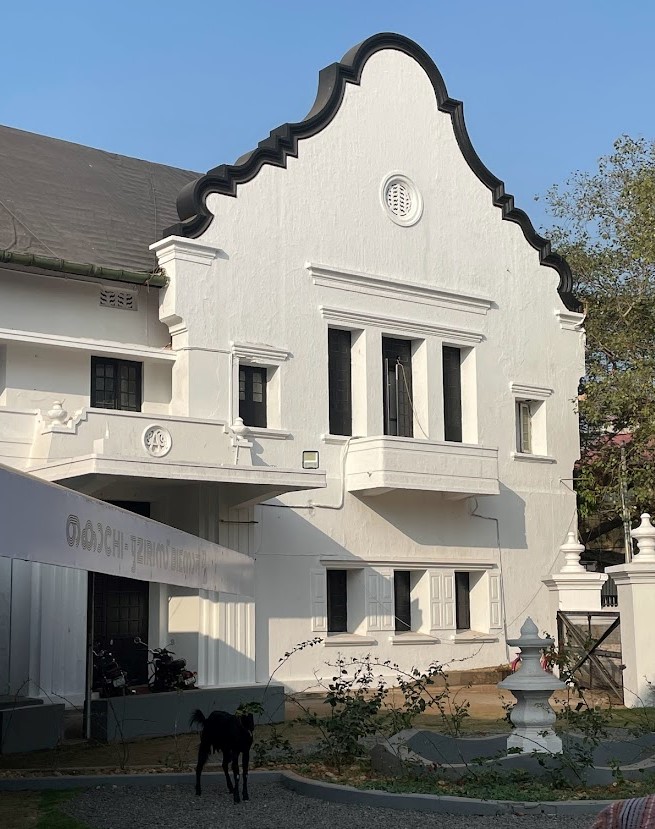
The fifth edition of the Kochi-Muziris Biennale, arguably India’s best art show, is on again at a handful of venues in Kochi, mostly in the Fort Kochi area. The 2022-23 edition, curated by Shubigi Rao, puts on display a large swathe of story-telling through film, installations, photography and art, from a wide arch of countries: Croatia, Australia, Spain, Japan, Bangladesh, Switzerland, Pakistan, Chile, Vietnam, Sweden, Hong Kong, Reunion Island, US, Turkey, UK, Latvia, Mexico, Germany, Singapore, Guatemala, Zimbabwe, Turkey, Nepal, Myanmar, Malaysia, Thailand, and more. Since the show, which had its actual curtains-up on 23 December 2022, goes on till 10 April 2023, there are no teeming crowds to battle, thankfully.
This edition is hugely, wonderfully, political by nature, centering on displacement, all the artists shining a spotlight on the rape of the environment, the abrogation of citizens` rights, the indignities and iniquities suffered by those who live geographically and emotionally in minority ghettos. Also, much of this edition is art through film, which meant visitors needed to be invested enough to sit through informative videos, rather than do a quick trawl of work hung or installed at select sites.
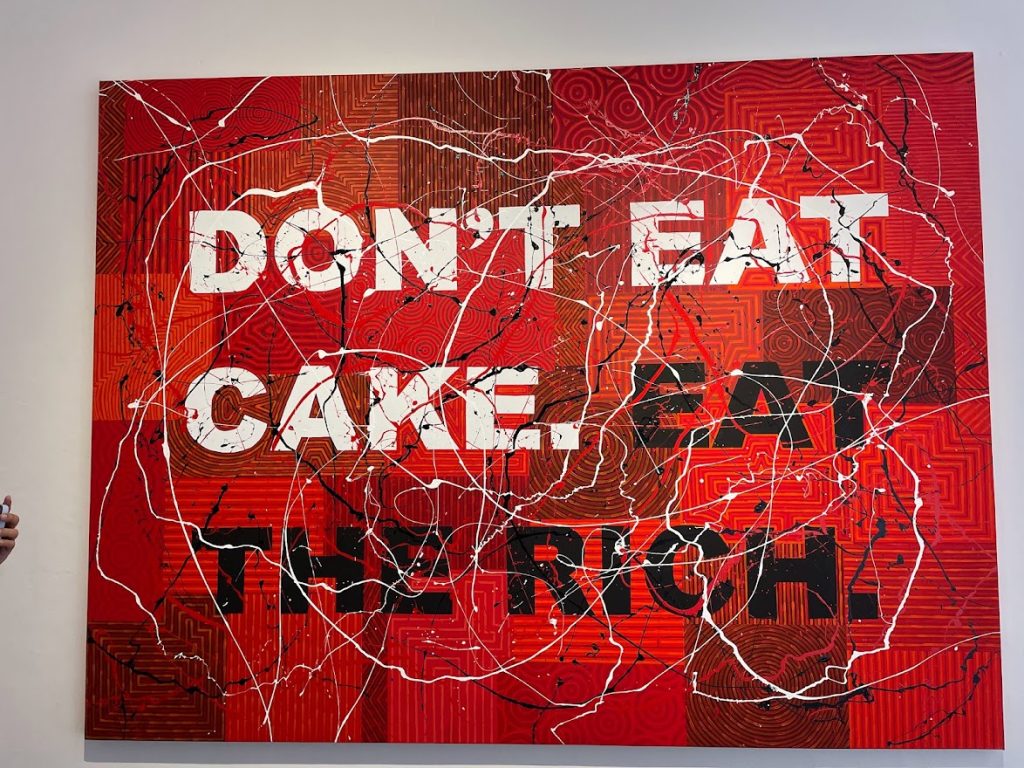
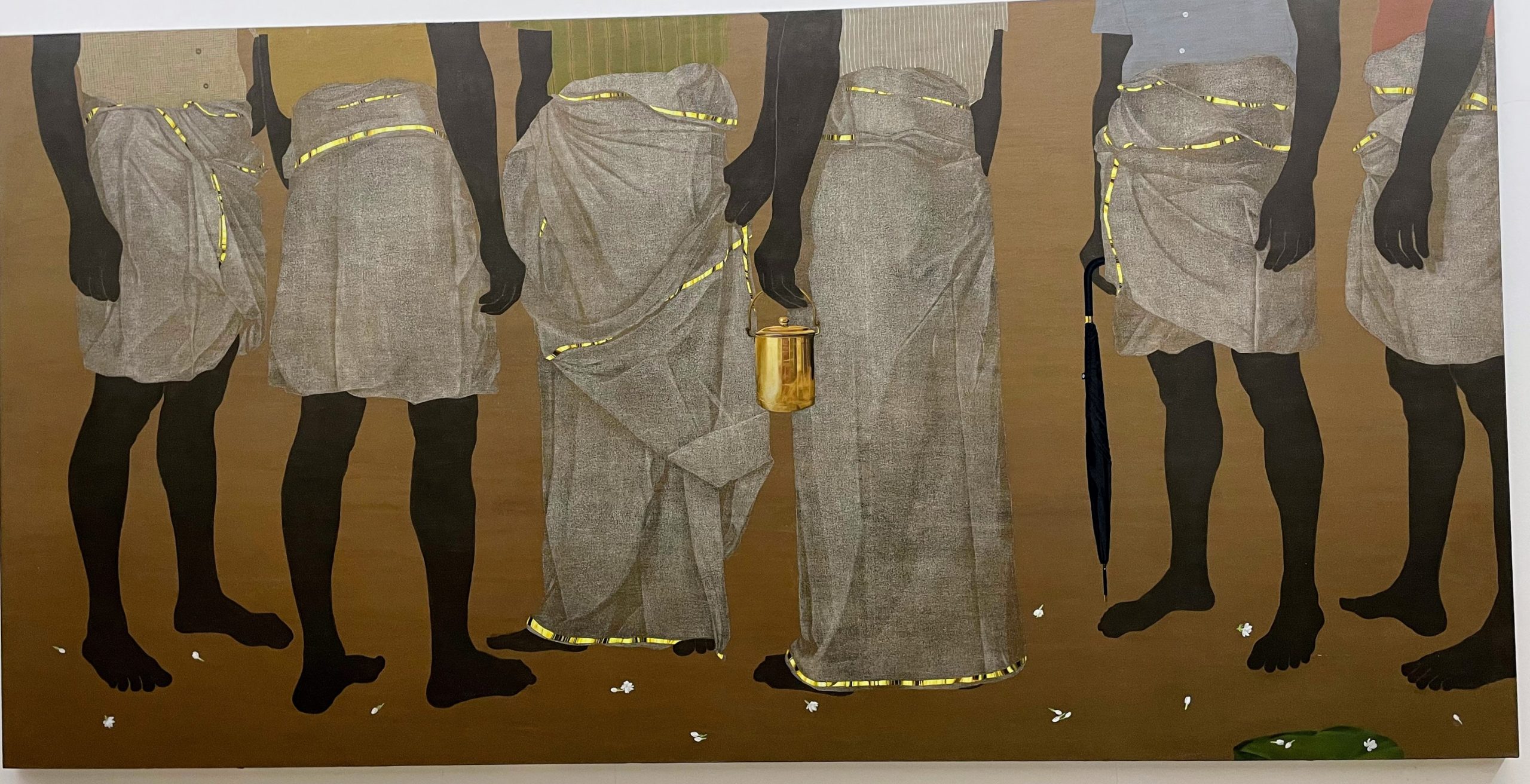
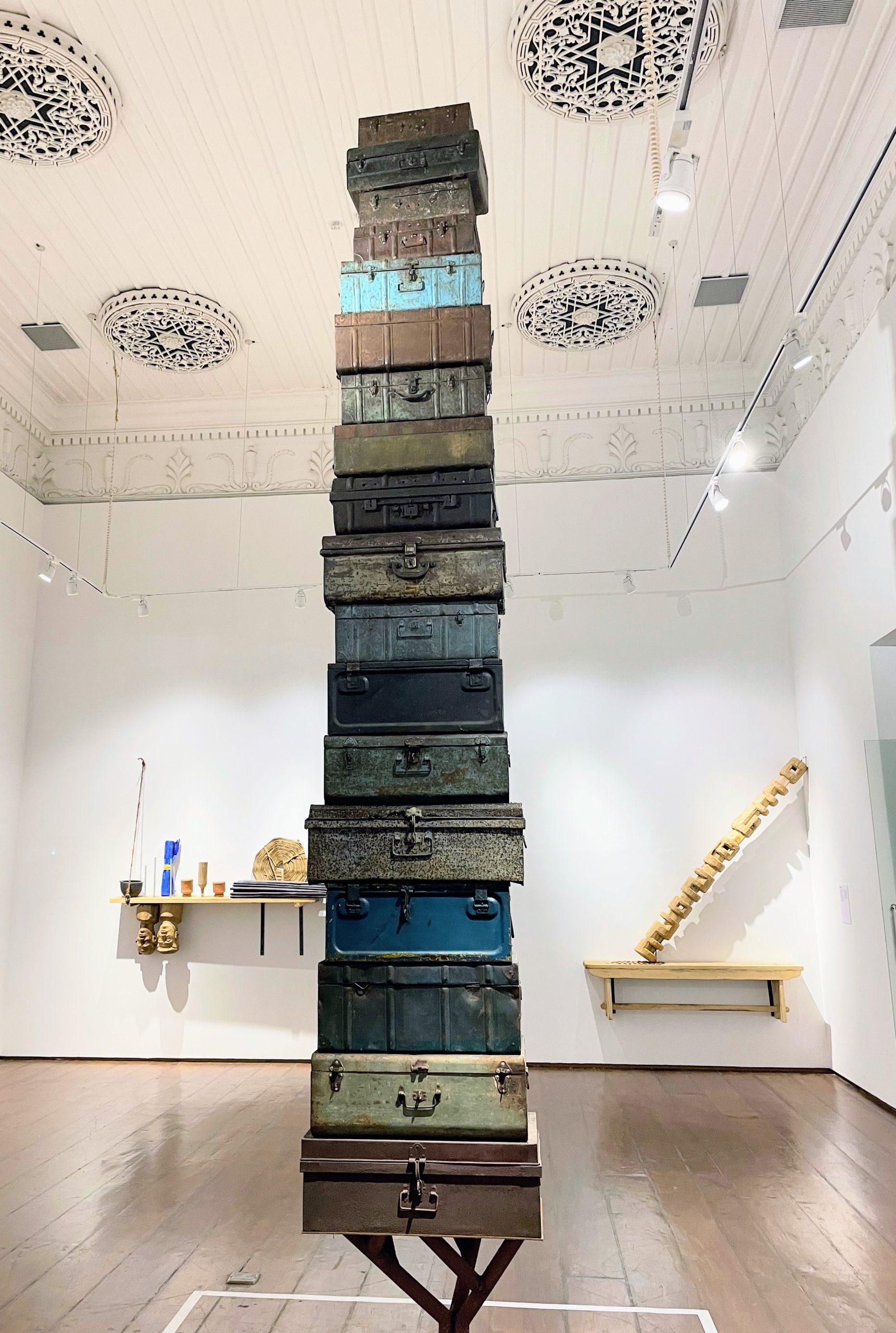
The displays were enigmatic (Sandip Kuriakose`s inkjet prints in a collection titled Woh bhi line ka tha), apocalyptic (Pranay Dutta`s dystopic film), uplifting like Nepal`s Feminist Memory Project exhibition titled The Public Life of Women, evocative like Saju Kunhan`s Location History series. There were melancholy musings on migration at Durbar Hall in Kochi town, the standout being a tower of old tin boxes, an installation by Abdulla P.A. There was a beautiful film on the libraries of Karachi using that space as emotional refuge, titled These Silences are the Words. There was an evocative film and photo installation titled Raid into Tibet, about the CIA`s brief misadventure in Tibet in the late `50s. And then, there was my favourite: Brothers, Fathers and Uncles by Devi Seetharam, a brilliant take on the non-inclusive occupation of public spaces by men in Kerala, visualized through the mundus worn by them.
What I did notice though, was that some of the videos did not have Malayalam translations or a Malayalam soundtrack. I have seen many a local bringing their wide-eyed children to Aspinwall and painstakingly explaining the artwork they were viewing; I did not see any this time.
Strangely enough, given that the Kerala government is usually very sharp when it comes to the revenue-earning tourism sector, the approach roads to the main venue Aspinwall House were a mess. Oh, and I`d advise visitors to coat themselves liberally with citronella or good old Odomos before venturing inside Aspinwall House…the huge mosquitoes in there are equal opportunity offenders who settle on screens, on artworks, on people`s arms, all with deadly intent.
There were pleasant, helpful volunteers at all the Biennale venues. There was an innocence and a trust which is remarkable at a time when everything and everyone is being viewed with suspicion. At some places, even as I dug into my bag for the entry ticket, the guard would wave me through with a smile. There were no bag checks, and photography was allowed. There were books and printed pamphlets alongside some artwork, with a notice that said you were free to read them but not to take them home. Visitors were left unmolested, trusted to view the art and leave quietly.
It was 31 degrees in Kochi when I was visiting but thankfully not humid or stifling; if one was sitting by the seaside, the breezes that blew there were most pleasant. But sometimes the heat did get to the Biennale visitors. I stood for a long time admiring an artwork beside a man as still as a rock, only to look sideways and see that he was fast asleep on his feet!
Then there was a new cabin at this Biennale, a store named Kada, (of course) where you had to take off your foot wear to go in and shop! The Biennale Pavilion designed by Samira Rathod, was still being set up in Cabral Yard when I was there, but promised to be a thing of beauty when complete. As always, talks, seminars, cinema screenings, workshops, music programmes were the cherries on the icing of the Biennale.
There was also an uptick in Biennale fashion, with girls in pretty dresses, women in gorgeous cotton saris, men sporting neat man- buns, as also men off the street in grubby mundus and straggly hair, all of them keenly studying what was on offer.
Did I say there were no teeming crowds? The pop-up cafes, as well as the cult restaurant Kashi Arts Café, were packed to the rafters with out- of- town visitors.
Venues:
Aspinwall House
Pepper House
Cabral Yard
David Hall
TKM Warehouse
Anand Warehouse
Durbar Hall (in town)
Dutch Warehouse
Kashi Townhouse
This appeared in the Sunday Herald of 5 March 2023.
 Sheila Kumar • March 7, 2023
Venkatachalam S G March 14, 2023 - 11:17 am
Beautiful and refreshing, thank you Sheila
Sheila Kumar April 9, 2023 - 5:11 am
Thank you.